
Damp Heat
Why damp heat testing matters
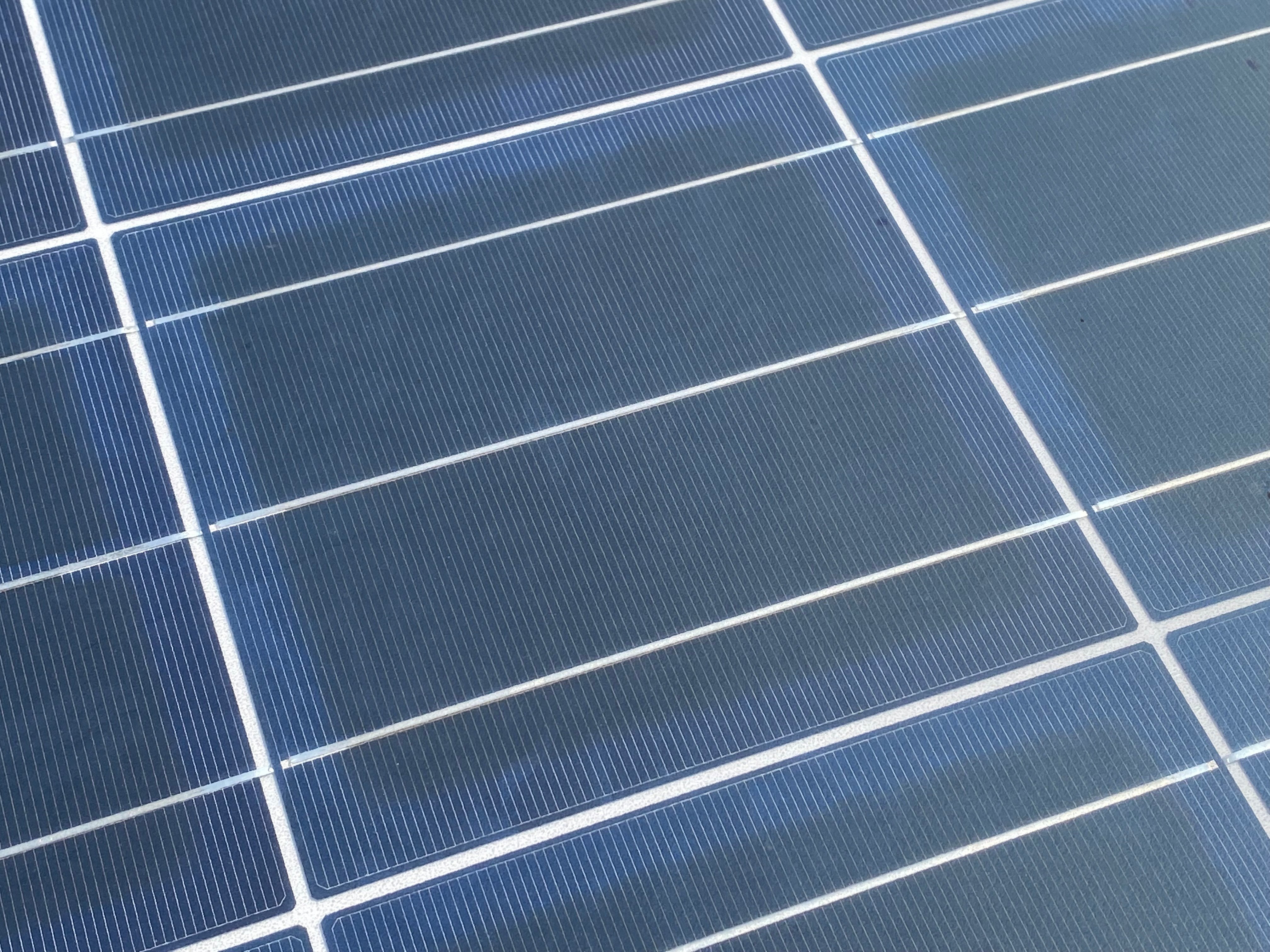
The site owner of a Taiwanese 1.1 MW rooftop site, commissioned in 2016, started noticing underperformance after five years of operation when comparing it to their other sites. Kiwa Extel was appointed to inspect the site. Their visual inspection discovered that the modules had significant corrosion of the metallization around the cells’ perimeter, along with ‘snail trails’ at microcrack locations. It was clear that moisture entered through the backsheet and encapsulant, causing corrosion on the cell surface. 100% of the modules were affected.
According to research conducted by Dr. Todd Karin, Kiwa PVEL’s VP of Technical Operations, on Photovoltaic Climate Zones, Taiwan has an H7 Specific Humidity rating*. This type of cell corrosion is expected to occur faster and be more prevalent in these high humidity areas.
Cell corrosion similar to this has been observed in Kiwa PVEL’s Damp Heat test results, but may not be evident after the shorter, 1000 hour IEC 61215 test. As more solar capacity gets deployed in the high heat and high humidity regions between the tropics, the PQP’s extended Damp Heat test becomes imperative to avoid field failures.
*Karin, T., Birk Jones, C., Jain, A. Photovoltaic Climate Zones: The Global Distribution of Climate Stressors Affecting Photovoltaic Degradation. EUPVSEC (2019).
 |
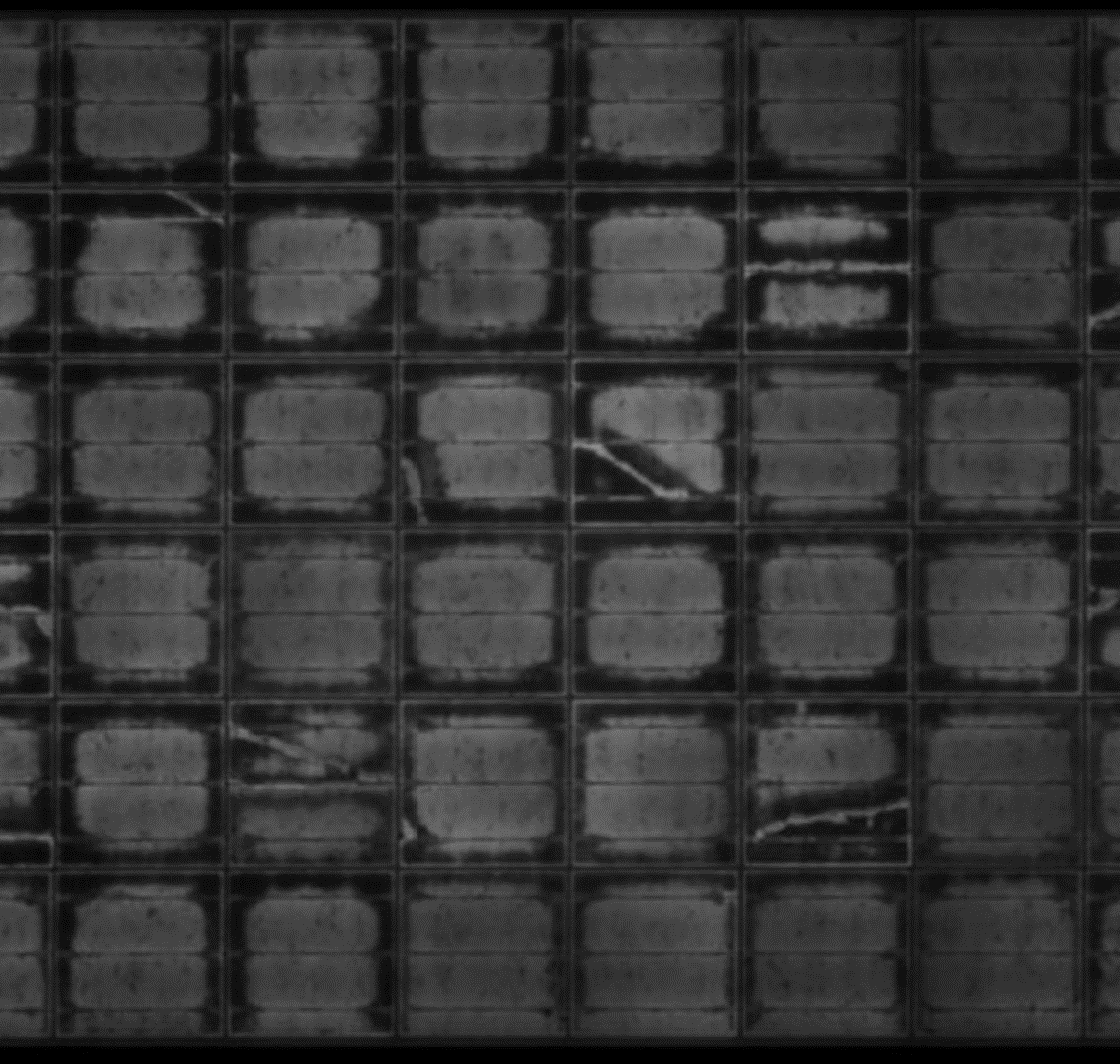 |
| The lighter color around the cells’ perimeter is visual evidence of corrosion. | The site owner arranged for a sample of modules to be sent for EL imaging, where signs of corrosion around the cells’ perimeter were even more obvious. |
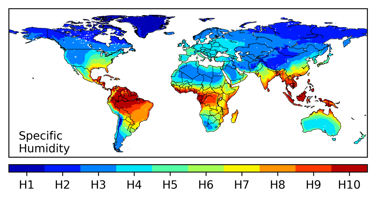
Specific Humidity zones across the globe according to the Photovoltaic Climate Zone classification system.
Materials assessed
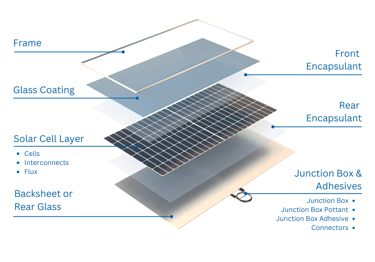
These materials all play a role in protecting the PV module from environmental elements and ensuring that all components are firmly bonded together and resistant to corrosion:
Test procedure
|
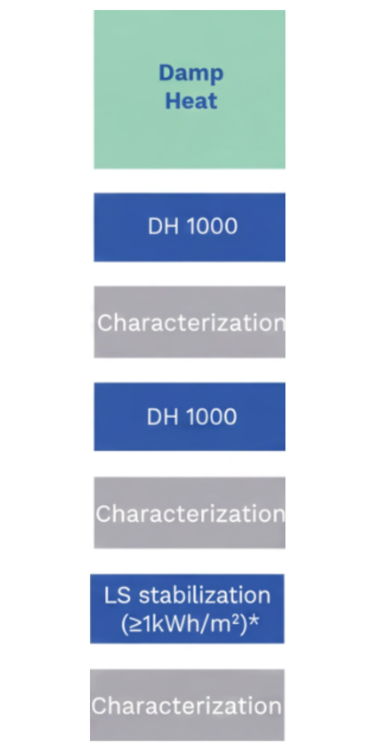
Typical PV module backsheets and encapsulants are permeable to moisture, which can stress interfacial adhesion, leading to delamination or corrosion. Glass//glass modules are also subject to moisture penetration through junction box mounting holes and laminate edges. Following the guidance of IEC 61215-2:2021 MQT 13, (including 5N weights applied to junction box during the PQP’s DH2000 testing as per IEC 61730-2:2023 and the upcoming IEC 61215 revision) the module is submitted to an environment of 85°C and 85% relative humidity. The duration is 2000 hours, and characterization takes place every 1000 hours. The interim characterizations include IV, EL, WL and VI. The pre-stress and final characterizations also include LIC and LCEL. Some modules experience dark storage degradation which could impact the post-DH results. Therefore, Kiwa PVEL will automatically perform a ≥1 kWh/m2 (maximum 2 kWh/m2) full spectrum light soak for any BOM that has an average power degradation of ≥2% post-DH2000. Modules will be kept at open-circuit during this light soaking and IV tested within 48 hours following light soaking. The post stabilization characterizations also include EL, LIC and LCEL. |
 |