
A Day in the Life of a Carbon and Sustainability Services Director: Stephen Burt

Stephen Burt: Carbon and Sustainability Services Director for NQA (a Kiwa company).
As Carbon and Sustainability Services Director, Stephen Burt is responsible for developing and overseeing carbon and sustainability services. His role focuses on supporting clients through certification and verification processes, ensuring alignment with ISO standards and other management system frameworks.
From waking up on an overnight train to auditing one of the UK’s largest infrastructure projects, we asked Stephen to take us through a day in the life of his role. Read below as he takes us on his journey.
06:15 – Arrival on the Caledonian Sleeper
I began my day waking up in my sleeping berth cabin on the Caledonian Sleeper overnight train from Edinburgh to London Euston. I live in Edinburgh and find this can be the most convenient, cost effective, time efficient and environmentally friendly way for me to travel (I’m a carbon counter…..and a heavy sleeper!). I started the say with a full breakfast in the lounge car on the train that set me up for the day ahead. 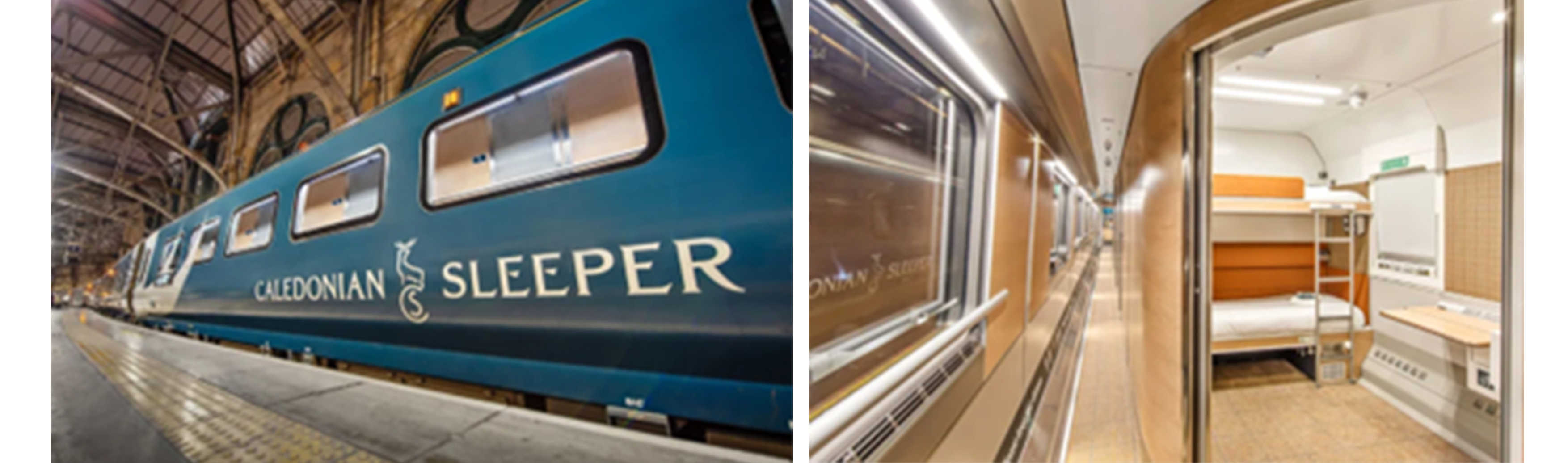
I then took the London Underground over to Fenchurch Street train station, to catch another train heading east over to Essex, to begin my working day with my client.
08:45 – Site arrival & audit opening
I arrive at the client premises which is a large construction yard compound. Today’s work involves a verification of ‘whole life carbon’ forecast calculations relating to the construction of a very high profile piece of national infrastructure in the UK – the Lower Thames Crossing.
The Lower Thames Crossing is a planned road crossing of the Thames estuary downstream of the Dartford Crossing that would link the English counties of Kent and Essex, and its proposed approaches. When built, the crossing will have the longest road tunnel in the UK at 2.6 miles, with around 14 miles of new approach roads. The overall projects costs for the project are approximately £10.6 billion and it is expected to take six years to build.
My client is one of three major construction companies involved in the build. The project is currently at enabling works stage. These very early stages are the best time to begin working on carbon reductions for the project, as the ability to influence the design is at its highest. My client is currently considering everything: the design, the route, the materials to be used, the existing structures, the road and tunnel user emissions, the land use options, biodiversity and natural environment issues, the build options and so on. All with the aim of quantifying and forecasting the embodied /whole life carbon arising as a result of the structure, with the aim of making early changes to allow that to be managed and reduced.
The standard I am auditing them against today is PAS 2080 – Carbon Management in Buildings and Infrastructure.
I begin the day with an audit opening meeting, putting on my PPE, and undertaking a lengthy site tour where I sample a whole variety of activities, plans and materials to enable carbon calculation verification.
Then I head back to the office in the compound for some lunch.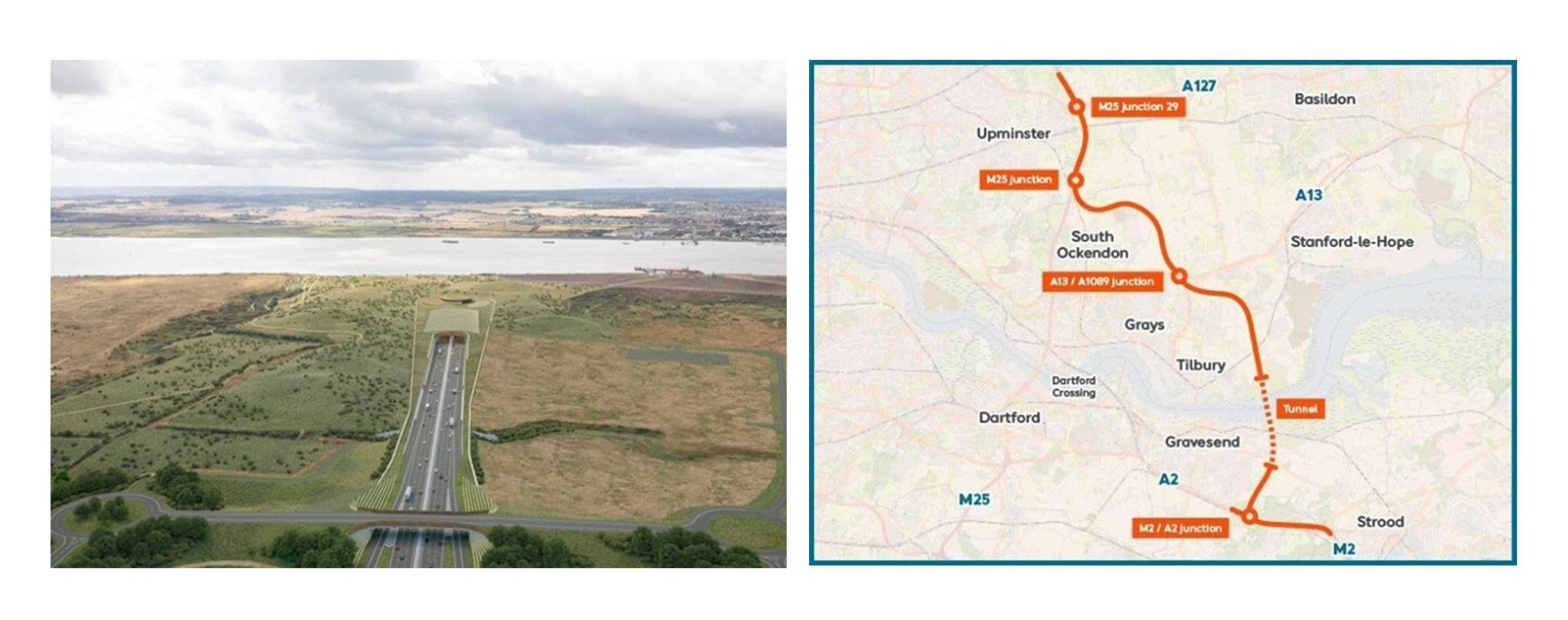
13:15 – Interviews & evidence gathering
I spend the whole of the remainder of the afternoon conducting interviews with key personnel, questioning them on their levels of control and influence over the whole life carbon emission sources, and evidencing that these had been comprehensively addressed, accurately calculated and all actions had been considered for reductions and implemented where possible. Client representatives interviewed come from the Environmental Team, the Carbon Team, the Project Managers and Director, the Design Team, the Commercial Team, the Procurement Team, the Engineering Team, and the Logistics and Fleet Team.
16:00 – Audit close-out
I conduct a ‘wash up’ meeting with the client and provide feedback for the day and then by 16.30 I'm on the road again! This time I hitch a lift in a car with the client, and just over an hour and a half later I’m dropped off at my hotel in Guildford for the night.
After some report writing, a nice dinner and a good night’s sleep (better than on a train at least!), I’m ready to do it all again the following day – this time with the same client, but at a different project – a complete junction upgrade and heathland restoration project on the M25’s busiest junction, junction 10, with over 300,000 vehicles travelling through it every day. This time the project is near completion, so I will be able to look at the carbon data from the other end. 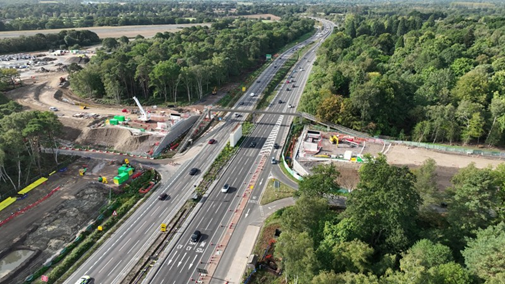
Reflections
I found the day incredibly interesting. I love seeing how things are done up close, how processes work, and how the challenges and solutions are managed. Seeing such major projects in action is very satisfying, and seeing and being able to verify the very real efforts being taken to manage and to reduce carbon over the 60 to 120 year infrastructure asset lifecycles is something I could happily do day in day out!

Contact us
Want to learn more about Kiwa's Sustainability Services or how we can support your organization? Contact us for more information.