
What happens during a lifting inspection

Understanding the process before you get started
For many organisations, lifting equipment inspections are essential, but the process itself is often unclear. What exactly happens during an inspection? How long does it take? What should you prepare?
This lack of transparency can create hesitation. When the scope and process are not fully understood, inspections may be delayed or approached reactively, leading to unnecessary disruption and uncertainty.
In reality, a lifting inspection follows a clear and structured process. Understanding what to expect helps you stay in control, prepare effectively, and ensure that inspections support your operations rather than interrupt them.
Step 1: Defining the scope
Every inspection starts with understanding your equipment and your needs.
Before the inspection takes place, a scope is defined based on:
- The type of lifting equipment
- Its usage and environment
- Applicable regulatory requirements
- Previous inspection and maintenance history
This step ensures that the inspection is aligned with your actual situation. It also helps avoid unnecessary delays or misunderstandings later in the process.
Providing clear information at this stage allows inspectors to prepare effectively and ensures a smooth and efficient inspection.
Step 2: Preparation and coordination
Once the scope is confirmed, the inspection is scheduled in coordination with your operations.
The goal is to minimise disruption by:
- Planning inspections at appropriate times
- Ensuring equipment is accessible
- Aligning with operational constraints
In most cases, only limited preparation is required. However, having documentation available, such as previous inspection reports or maintenance records, can help streamline the process.
When inspections are planned in advance, they can be integrated into daily operations rather than causing unexpected interruptions.
Step 3: Visual and functional checks
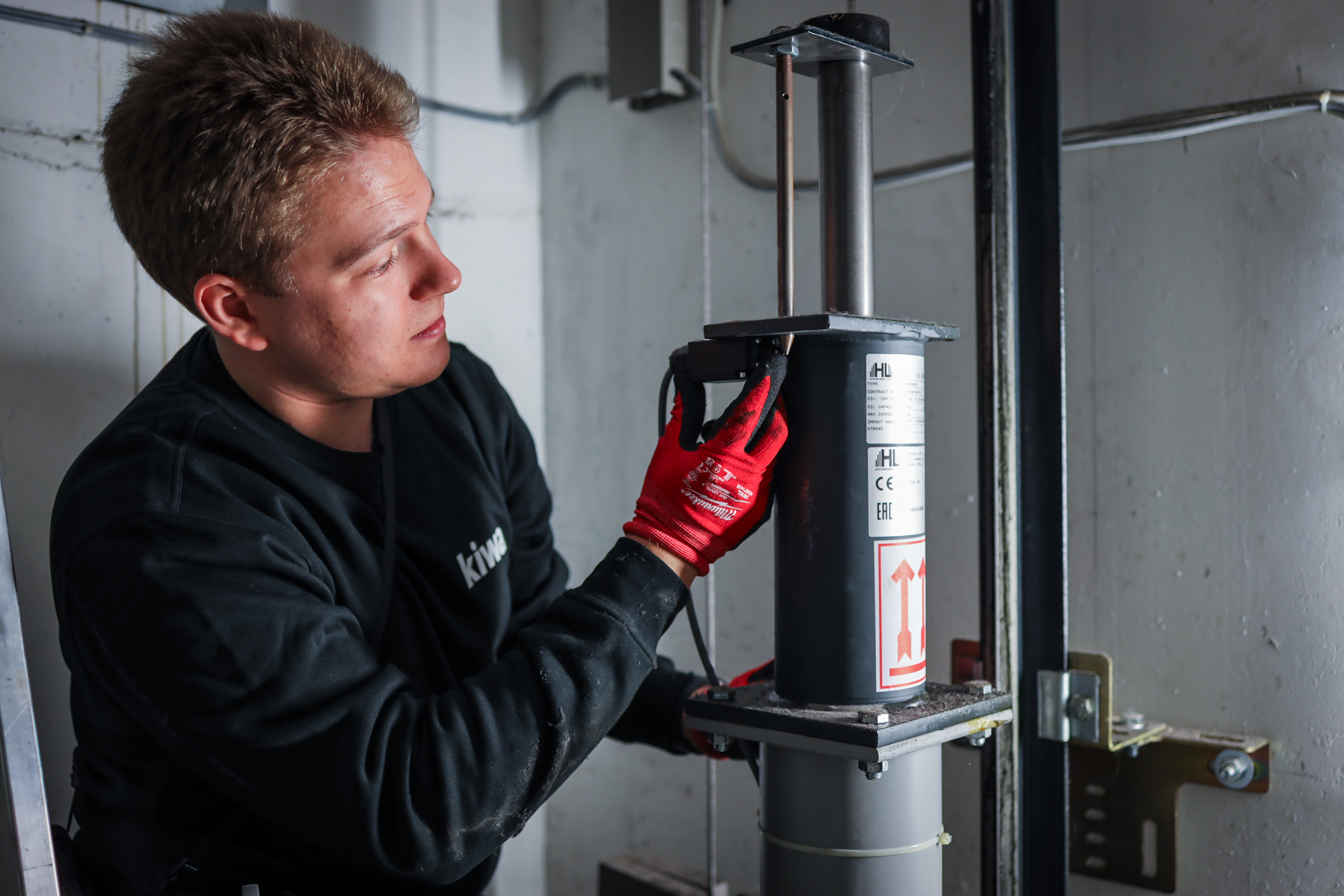
During the inspection itself, trained inspectors assess the condition and safety of the equipment.
This typically includes:
- Visual checks for wear, damage, or corrosion
- Verification of key components and safety devices
- Functional checks to ensure proper operation
The objective is to confirm that the equipment is safe and suitable for continued use.
Regular inspections help identify potential issues early, before they develop into costly failures or operational disruptions.

Step 4: Evaluation and findings
Following the inspection, the inspector evaluates the results.
This assessment focuses on:
- Compliance with applicable requirements
- Condition of critical components
- Identification of any issues or non-conformities
In some cases, immediate action may be required if safety-related issues are found. In others, recommendations may be provided for follow-up or future planning.
The key outcome is clarity: a clear understanding of the equipment’s current state and what actions, if any, are needed.
Step 5: Reporting and documentation
After the inspection, you receive a structured report documenting the findings.
This typically includes:
- Confirmation of compliance or deviations
- Details of identified issues
- Recommendations for corrective actions or follow-up inspections
Inspection reports provide valuable input for maintenance planning and decision-making. They help ensure traceability and demonstrate compliance with legal requirements.
Beyond compliance, this documentation supports better operational control by giving you visibility into equipment condition and future needs.
Step 6: Next steps and planning
An inspection is not an isolated event, it is part of an ongoing process.
Based on the results, next steps may include:
- Scheduling corrective actions
- Planning future inspections
- Updating maintenance strategies
Organisations that actively use inspection outcomes in their planning are better able to:
- Avoid unexpected downtime
- Improve operational reliability
- Maintain control over their equipment lifecycle
This is where inspections move beyond compliance and become a tool for managing performance and risk.
From uncertainty to confidence
For many organisations, hesitation around inspections comes from not knowing what to expect. In practice, the process is structured, transparent, and designed to support, not disrupt, your operations.
By understanding each step, you can:
- Prepare effectively
- Reduce uncertainty
- Integrate inspections into your planning
This turns inspections into a predictable process that helps keep your business running smoothly.
Take the next step
Not sure where to start?
Request a quotation or contact us to map your inspection needs and lift your business to a higher level.